Supporting Your 10-Year-Old’s Mental Health: A Parent’s Guide
About Course
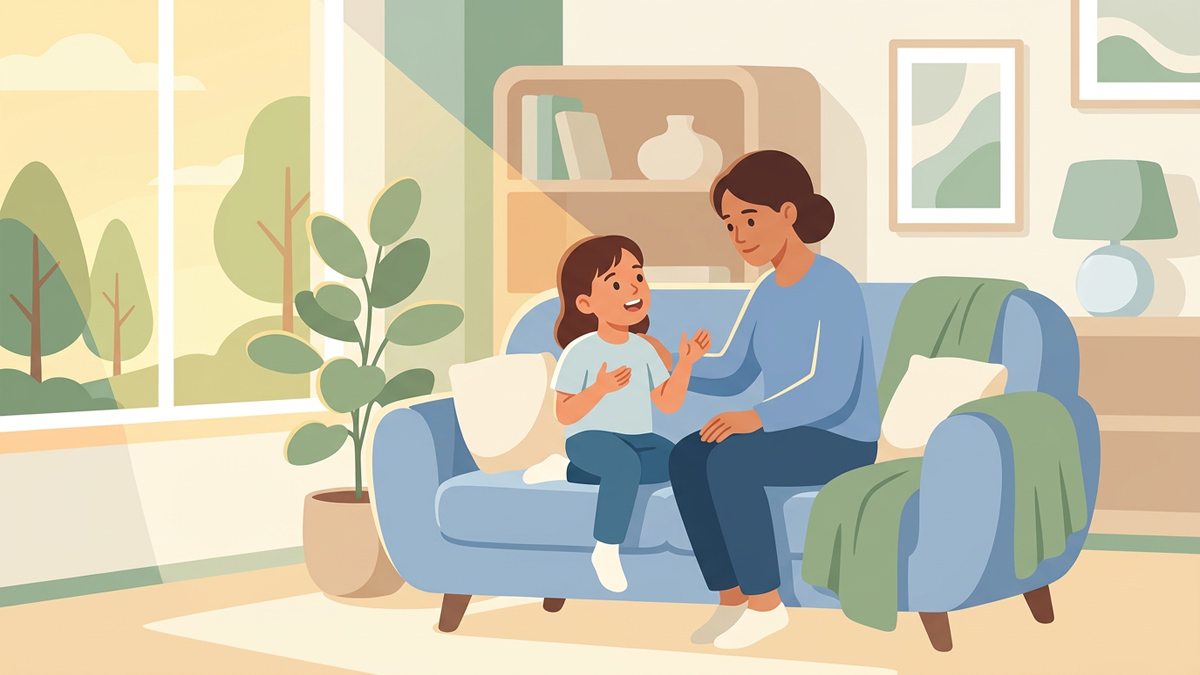
Ten is a pivotal age. Your child is on the edge of adolescence — more independent, more aware of the world, and often wrestling with bigger feelings than they can yet name. This course gives you practical, evidence-informed tools to understand what’s happening inside your 10-year-old, notice when they’re struggling, and build the everyday habits and conversations that protect their mental health.
You don’t need any background in psychology. Each lesson is written for busy parents and focuses on what to do — what to say at the dinner table, how to respond to a meltdown, when a rough patch is normal and when it’s a signal to get help.
Important: This course is educational and is not a substitute for professional advice. If you are worried about your child’s safety or mental health, contact your doctor, a licensed mental health professional, or a local helpline. If your child may be in immediate danger, contact emergency services right away.
What you’ll learn
- Understand what is developmentally normal for a 10-year-old’s emotions and behavior
- Recognize early warning signs that your child may be struggling
- Build daily routines (sleep, activity, screen time) that strengthen resilience
- Have calmer, more connected conversations about feelings
- Respond effectively to anxiety, low mood, and big emotional outbursts
- Know when, where, and how to seek professional help
Course Content
Module 1: Understanding Your 10-Year-Old’s Inner World
-
What’s Going On at Age 10
-
The Developing Brain and Big Emotions
-
Temperament: Every Child Is Different
-
Module 1 Quiz